Search Photography Topics

Thursday, June 9, 2011


Friday, October 29, 2010



Tuesday, September 15, 2009
UWA test shot
Cebu Cathedral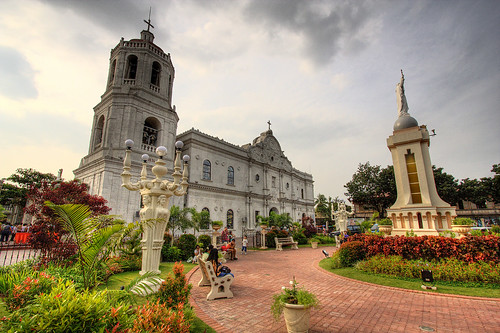

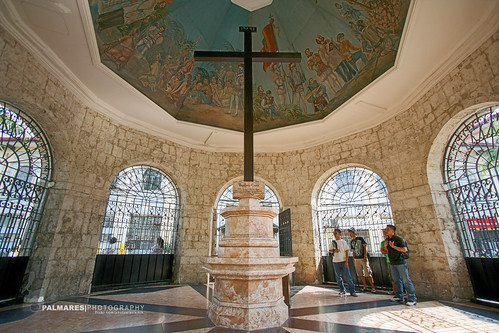
A sign below the cross describes the original cross is encased inside the wooden cross that is found in the center of the chapel. This is to protect the original cross from people who chipped away parts of the cross for souvenir purposes or in the belief that the cross possesses miraculous powers. - wikipedia
Magellan's Cross
Magallanes St., Cebu City
Philippines
Sept 2009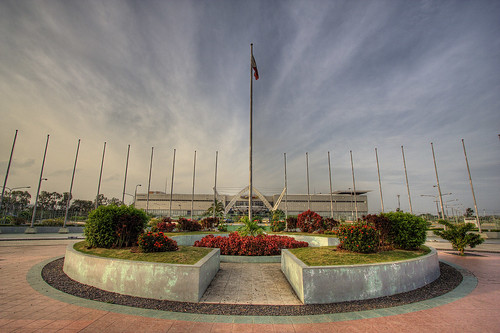
The Cebu International Convention Centre (CICC) is a 3-story structure built by the Cebu Provincial Government for the 12th Asean Summit and 2nd East Asia Summit at a cost of about US$ ten million dollars. It has a gross floor area of 28,000 square metres and is situated on 3.8 hectares of land at the Mandaue City Reclamation Area in Metro Cebu. - wikipedia
CICC
Mandaue City, Philippines
Sept. 2009
Tuesday, September 1, 2009
Cebu's Landmark
8~10 shots...
Magellan's Cross is a Christian cross planted by Portuguese, and Spanish explorers as ordered by Ferdinand Magellan upon arriving in Cebu in the Philippines on April 21, 1521.
This cross is housed in a chapel next to the Basilica Minore del Santo Niño on Magallanes Street (Magallanes being the Spanish name of Magellan), just in front of the city hall of Cebu City. A sign below the cross describes the original cross is encased inside the wooden cross that is found in the center of the chapel. This is to protect the original cross from people who chipped away parts of the cross for souvenir purposes or in the belief that the cross possesses miraculous powers.- wikipedia
Thursday, August 27, 2009
Scott Kelby Worldwide Photowalk - Cebu Leg
A sad reality
I joined the 2nd Scott Kelby Worldwide Photowalk - Cebu Leg... roughly a 3~4 kilometer walk from the famous landmark of Cebu - Magellans Cross to Cebu Capitol Building...
Saturday, March 14, 2009
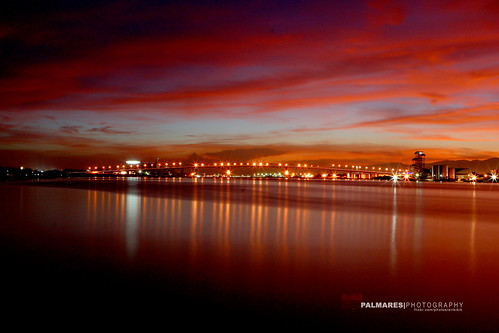
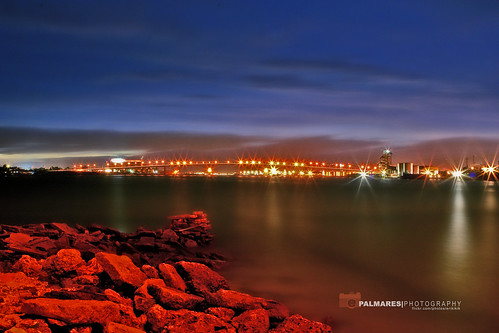
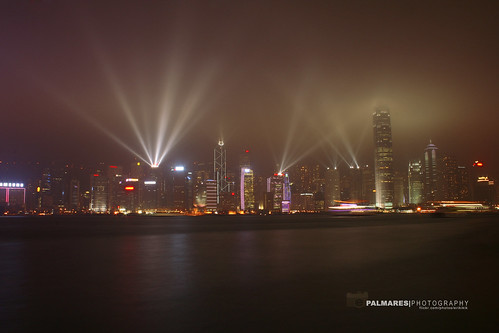
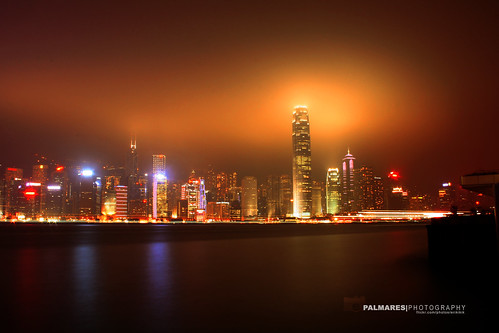
Bulb Exposure
Bulb setting is one of my favorite technique in photography... --- Bulb is a shutter-speed setting on an adjustable camera that allows for long exposures under user control. When set on "Bulb", the shutter will stay open as long as the shutter release button remains depressed. Another term is brief exposure—in which the shutter remains open only so long as the shutter release is held down. The word originated with the early pneumatic shutter release."
Here are some my photos in bulb exposure...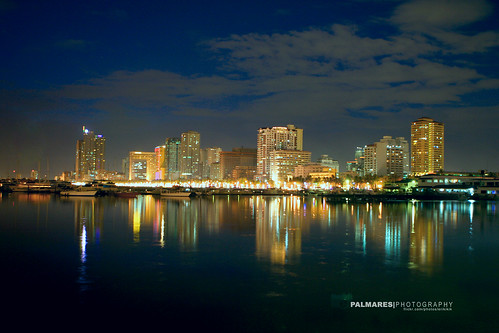
Saturday, January 31, 2009
My Winning Photo
My Photogroup during Sinulog 2009 Photocontest awarding and photo exhibit at SM City Cebu
Friday, January 30, 2009
My Priceless Keepsakes
My winning entry - 6th place Contingent Category and my access ID's during Sinulog 2009 Grand Mardi Gras...
Thanks to my friends in flickr, photo buddies and to my family -- you are all my inspiration...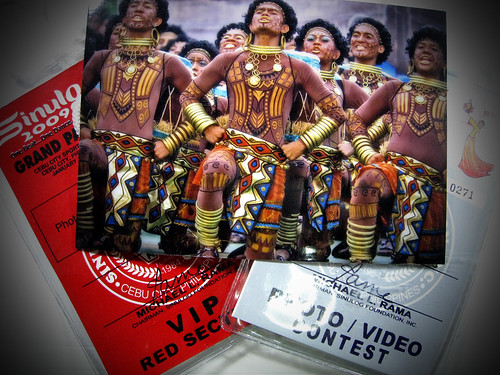
Thursday, January 29, 2009
My Sinulog 2009 Photocontest Winning Entry
6th Place - Contingent Category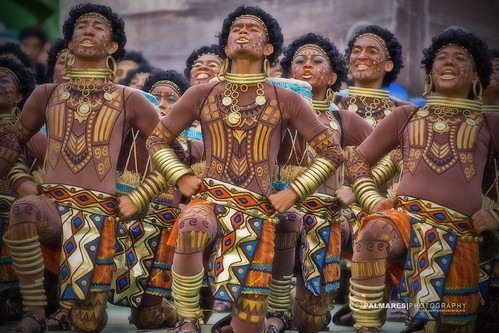
Probably the most prestigious photocontest in The Philippines -- over a thousand professional and hobbyist photographers all over the country joined the annual photo contest in honor of our Patron Saint Señor Sto. Niño. Out of 8,000 entries, only 100 pictures were chosen as winners.
Monday, January 26, 2009

Tuesday, January 20, 2009
Monday, January 19, 2009






Friday, December 19, 2008
Sunday, December 7, 2008
Sunday, November 30, 2008
Friday, November 28, 2008
Cebu City Hall
The newly renovated Cebu City Hall - took this shot in early morning before the sun rises...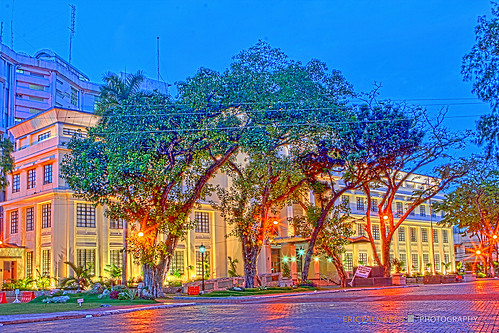
My first attempt of HDR
In image processing, computer graphics, and photography, high dynamic range imaging (HDRI or just HDR) is a set of techniques that allows a greater dynamic range of luminances between light and dark areas of a scene than normal digital imaging techniques. The intention of HDRI is to accurately represent the wide range of intensity levels found in real scenes ranging from direct sunlight to shadows.
High dynamic range imaging was originally developed in the 1930s and 1940s by Charles Wyckoff. Wyckoff's detailed pictures of nuclear explosions appeared on the cover of Life magazine in the mid 1940s. The process of tone mapping together with bracketed exposures of normal digital images, giving the end result a high, often exaggerated dynamic range, was first reported in 1993[1], and resulted in a mathematical theory of differently exposed pictures of the same subject matter that was published in 1995[2]. In 1997 this technique of combining several differently exposed images to produce a single HDR image was presented to the computer graphics community by Paul Debevec.
This method was developed to produce a high dynamic range image from a set of photographs taken with a range of exposures. With the rising popularity of digital cameras and easy-to-use desktop software, the term HDR is now popularly used[3] to refer to this process. This composite technique is different from (and may be of lesser or greater quality than) the production of an image from a single exposure of a sensor that has a native high dynamic range. Tone mapping is also used to display HDR images on devices with a low native dynamic range, such as a computer screen. --- wikipedia